SEO 2025: Entity-First, content with real experience and optimisation for AI Answers
The 2025 entity-first SEO framework: E-E-A-T, optimisation for AI Answers, topical authority, schema.org, Core Web Vitals and a 30/60/90-day plan for lasting results.
Organic traffic is no longer only “keywords + links”. In 2025 Google rewards clear entities, direct experience and useful answers that can end up in AI Overviews/AI Answers and in results without a click. Here you will find a practical framework to take your project forward in a solid way.
1) Think in entities, not in keywords
- Define the main entity of the site (brand/organisation) and the related entities (services, products, people, places).
- Build topical clusters: a “pillar” page + supporting articles that cover sub-topics and use cases.
- Make the identity of the site explicit: an “About us” page, author biographies, real contact details, verifiable social profiles.
2) Content with real experience (E-E-A-T)
- Show proof: original screenshots, data, experiments, case studies.
- Sign the articles with a competent author, update the date when you improve the content.
- Avoid “summarised content”: add information gain (what more there is compared with what already exists).
3) Get ready for AI Answers
- Write sections that answer precise questions, with clear bullet points, pros/cons and numbered steps.
- Insert concise definitions, examples, FAQs and final recaps.
- Take care of the formats Google understands well: step-by-step guides, checklists, comparisons, glossaries.
4) Topical authority and internal links
- Every page of the cluster must link the others in a logical way (hub & spoke).
- Avoid cannibalisation: one query = one leading page.
- Keep clean breadcrumbs and consistent categories.
5) Page Experience and Core Web Vitals (INP, LCP, CLS)
- Fluid INP (responsive interaction), LCP < 2.5s, minimal CLS (no layout jumps).
- Optimise images (correct sizes, modern formats), well-loaded fonts, cache/CDN and a low TTFB.
- Lazy-load what is not needed immediately and reduce non-essential scripts.
6) Indexing and crawling logic
- Map what must stay in the index and what must not (tags, filters, parameters, duplicates).
- Use canonical and noindex with judgement; fix useless 404s and 5xx.
- Check the server logs to understand how Googlebot crawls the site and where you waste crawl budget.
7) Trust and quality signals
- Highlight prices, return policies, terms, privacy, contacts.
- Manage reviews and UGC with moderation and transparency.
- Keep NAP consistency (name, address, phone) on the site and in directories.
8) Local SEO (if it concerns you)
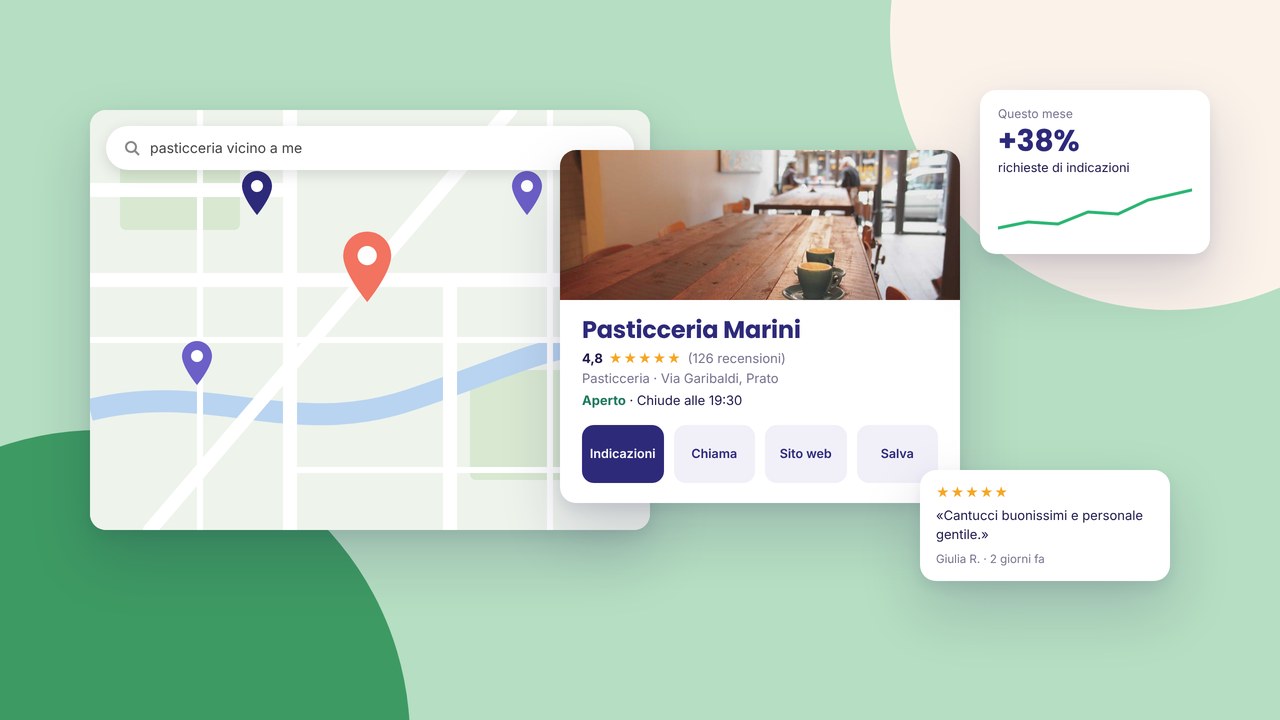
- A carefully made Google Business Profile listing: correct categories, real photos, posts, Q&A.
- Local pages with specific content (services, hours, coverage, testimonials from the area).
- Backlinks/mentions from realities in the territory.
9) E-commerce SEO in brief
- Variants and filters: only the combinations that have search should be indexed.
- Product pages with original media, specs, comparisons and FAQs.
- Improve discovery: related items, bestsellers, buying guides.
10) Measure what really matters
- Beyond ranking: qualified traffic, CTR, conversion rate, value per session, brand queries.
- Check coverage, crawl statistics, decaying pages and refresh opportunities.
11) The content lifecycle
- Update what performs (new data, sections, examples), merge duplicates, redirect the old and useless.
- Schedule a quarterly content refresh on the main topics.
12) A 30/60/90-day plan (fast track)
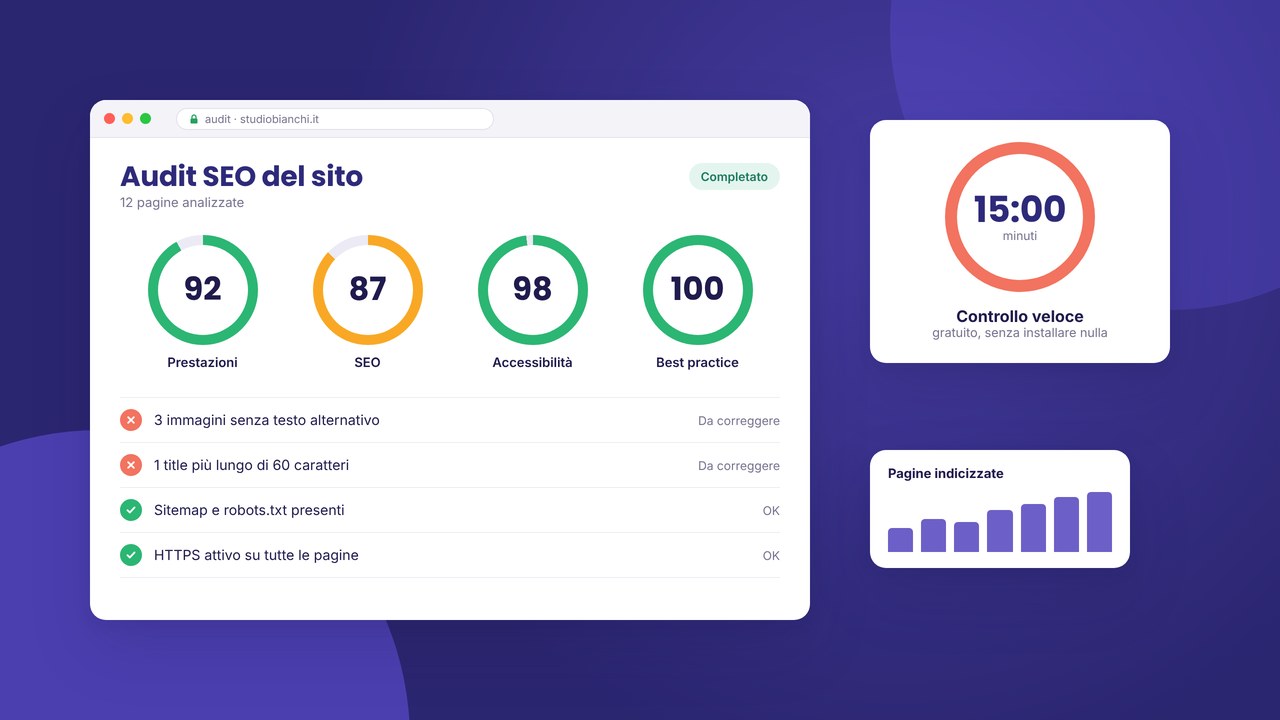
- 30 days: an audit of pages/clusters, a minimum technical fix, content priorities with potential.
- 60 days: publish/update the pillars, build interlinking, improve Core Web Vitals.
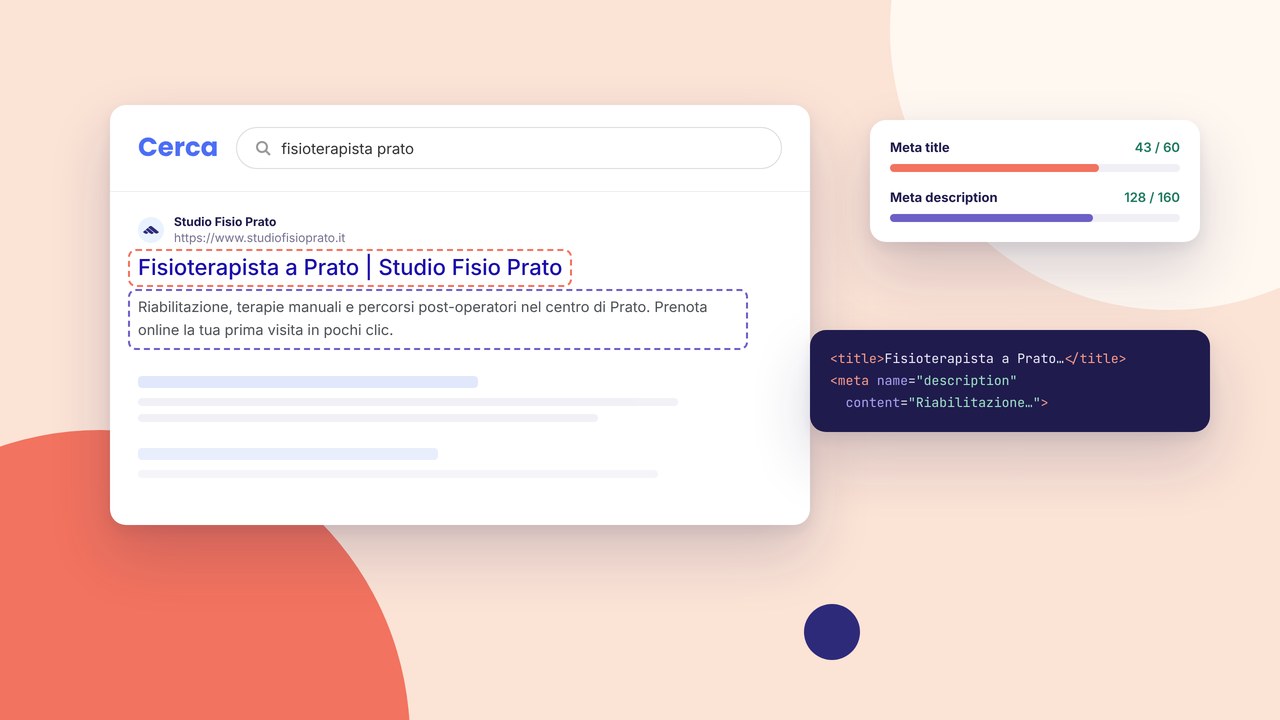
- 90 days: complete the clusters, activate digital PR/micro-partnerships, optimise CTR and snippets.
Schema.org and the knowledge graph: connecting the entities
To strengthen the entity-first strategy, use consistent Schema.org markup: Organization with sameAs towards verified social profiles, Person for authors with jobTitle and worksFor, Service or Product linked to the brand. Google Knowledge Graph and AI Overviews draw on structured signals and consistent mentions on the web.
Check that name, logo, URL and description are identical on the site, Google Business Profile, LinkedIn and sector directories. Discrepancies confuse algorithms and users.
Information gain: what to add that is not already there
Before you publish, ask yourself: what does someone who reads this article know after seeing the first 10 results? If the answer is “nothing new”, do not publish. Information gain means: original data, screenshots of your process, a tested comparison, opinions grounded in experience, downloadable templates, operational checklists. It is what distinguishes content citable by AI from generic content.
How to measure entity-first success
Beyond traditional ranking, monitor:
- Brand mentions in related queries and AI Overviews
- Citation rate: how many times your content is cited or linked by authoritative sources
- Branded traffic: growth in searches with the name of the site or of the author
- Engagement: time on page, scroll depth, conversions from pillar pages
- Cluster coverage: the percentage of sector topics covered with quality content
A complete, authoritative cluster often beats single pages optimised on isolated keywords.
From keyword stuffing to topical authority: a typical path
Many sites mature in phases: (1) pages full of keywords without value, (2) an audit and pruning of weak content, (3) definition of entities and clusters, (4) publication of pillars with real experience, (5) interlinking and continuous refresh, (6) presence in AI answers and snippets. It is not a total reset: often it is enough to consolidate, update and connect what already exists with entity-first judgement.
Conclusion
SEO in 2025 is an entity strategy + real experience + performance. If your site becomes the clearest and most useful source on a topic, Google (and AI Answers) will reward it. Work in clusters, take care of the experience and prove with facts what you claim.