How to rank a site on Google: a complete SEO guide for 2025
Discover how to rank your site on Google in 2025: an updated SEO guide with on-page, off-page, modern techniques and professional tools.
In 2025 SEO is no longer only a matter of keywords. With the evolution of Google’s algorithms, the adoption of artificial intelligence and the growing importance of the user experience, ranking high in the search results requires a complete, advanced and long-term-oriented strategy.
In this article we look step by step at the most effective techniques to optimise your website and obtain concrete, measurable and sustainable results.
1. Understanding the changes in the Google algorithm
Google continuously updates its algorithms. Just think of the Helpful Content system, the increased weight of Page Experience and the integration of generative AI in the search results.
In 2025, the algorithms reward:
- original and useful content
- the user experience (UX)
- speed and performance
- content written by experts (E-E-A-T)
A practical tip: monitor Google’s guidelines and adapt the site to the changes. Use Search Console to intercept drops in visibility and act in advance.
2. On-page optimisation: fundamental
On-page optimisation is still one of the most important aspects. It is not only about inserting keywords, but about building an SEO-friendly structure.
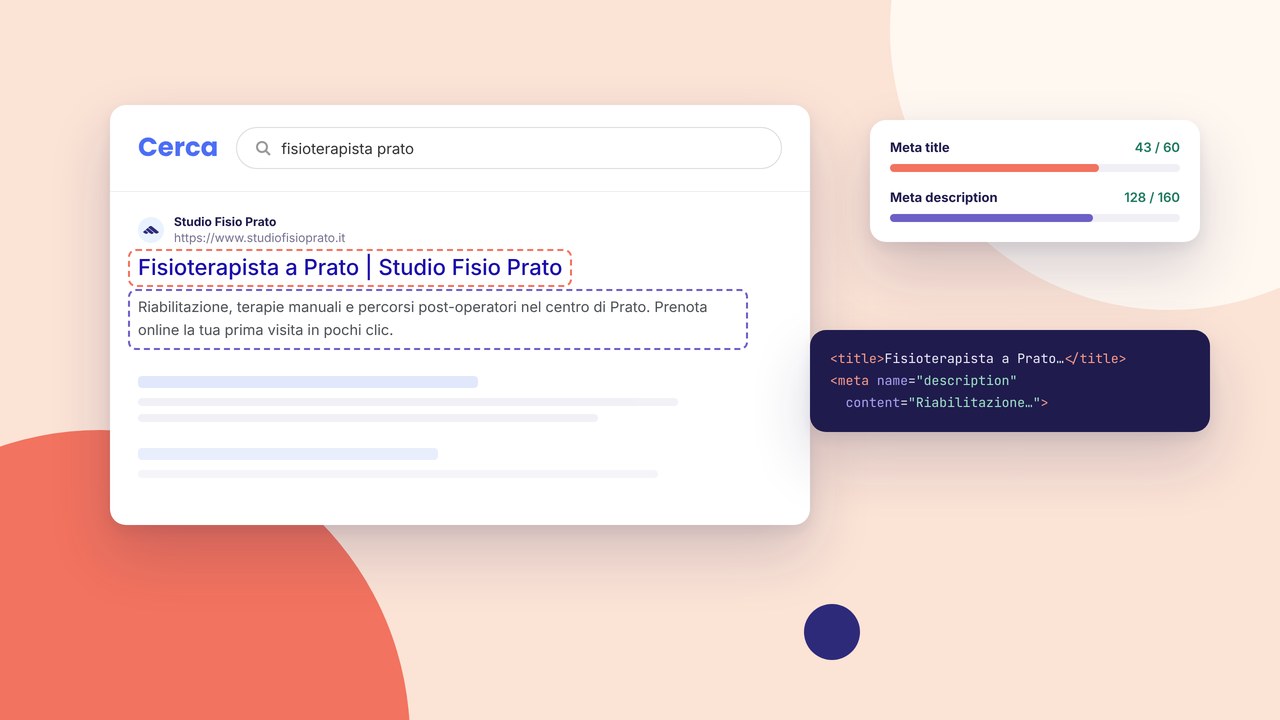
- Title tag and meta description: unique, appealing, with the main keyword
- Headers (H1, H2, H3): a clear, readable hierarchy
- SEO-friendly URLs: short, descriptive, with a keyword when it makes sense
- Optimised images: a descriptive
altattribute and compression - Internal links: they help the user navigate and Google understand the structure
Example: for an article like this, an effective URL could be /seo/strategie-seo-2025.
3. E-E-A-T: experience, expertise, authoritativeness, trustworthiness
This acronym is a pillar of SEO. Google wants content written by experts, authenticable, useful and trustworthy.
- sign your articles with an author and a bio
- show reviews and testimonials if you offer services
- cite authoritative sources and link related content
Pro tip: create a detailed “About me” page, with links to social and to the projects you have completed.
4. Mobile SEO and site speed
More than 65% of web traffic arrives from mobile devices. The site must be responsive and fast.
- use Lighthouse or PageSpeed Insights to check performance
- optimise images (modern formats, correct sizes)
- activate an effective cache system
- minify non-essential JS and CSS code
A reference goal: a mobile load under 2.5 seconds for the main pages.
5. Quality content: well-structured long form
Long content (over 2,000 words) performs better if it is well structured and useful. But quality beats quantity: write thinking of the user, not of the search engine.
- answer frequent questions of your audience
- use lists, subheadings and explanatory images
- add an FAQ section at the bottom of key articles
- insert updated data, examples and real cases
6. Artificial intelligence and SEO
In 2025 artificial intelligence is both a tool and a challenge. Google uses AI to understand the content better; you can use it to:
- find new keywords (Semrush, Ubersuggest, AI assistants)
- create outlines for articles
- translate and adapt content
- generate drafts of titles and meta descriptions
Important: content must always be reviewed by a human. Google penalises purely automatically generated content without added value.
7. Strategic link building (white hat)
Link building still counts, but today quality counts more than quantity.
- obtain backlinks from authoritative sites close to your sector
- avoid link exchanges or purchases from suspicious networks
- create linkable content: complete guides, free tools, infographics
8. Technical SEO: silent but essential
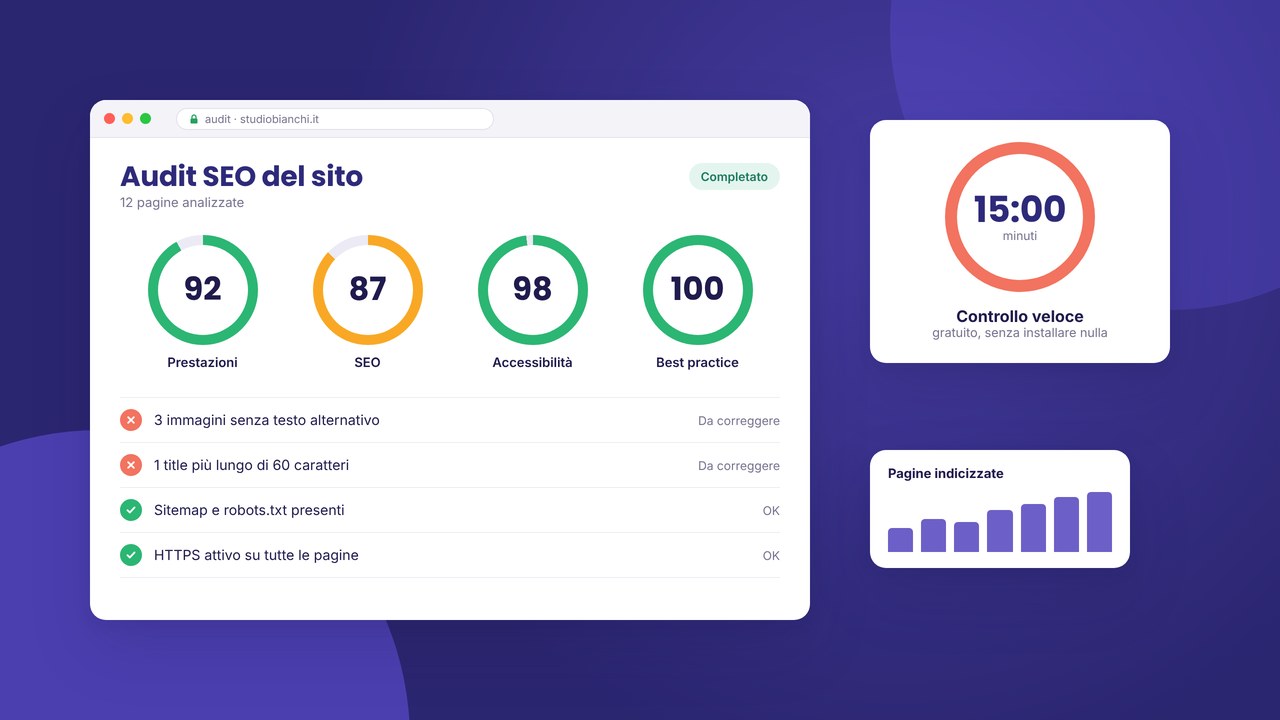
Technical SEO allows crawlers to read the site. A technical checklist:
- an updated sitemap.xml
- a correctly configured robots.txt
- HTTPS active on all pages
- 404 errors handled with useful redirects
- Schema.org structured data where appropriate
Tools such as Screaming Frog or Sitebulb help in complete audits.
9. Constant monitoring and analysis
SEO is not done only once. You need to monitor results and performance.
- Google Analytics 4 for traffic and conversions
- Search Console for queries, impressions and indexing problems
- Hotjar for user behaviour on key pages
- Semrush or Ahrefs for visibility and competition
KPIs to follow: organic traffic, keyword rankings, bounce rate, time on site, conversions from search.
Conclusion
Doing SEO in 2025 requires a wide vision, a solid strategy and continuous work. It is not enough to add keywords or publish generic content: you need real value, an impeccable technical structure and constant optimisation. Anyone who invests in useful content, the user experience and transparent measurement builds lasting visibility on Google.
Search intent and content for the funnel phase
Not all keywords have the same intent. Distinguishing informational, navigational and transactional searches helps you create suitable pages: in-depth guides for anyone learning, service pages for anyone comparing, targeted landings for anyone ready to convert. Aligning content and intent reduces bounce and improves organic conversions.
Local SEO and presence on Google Business Profile
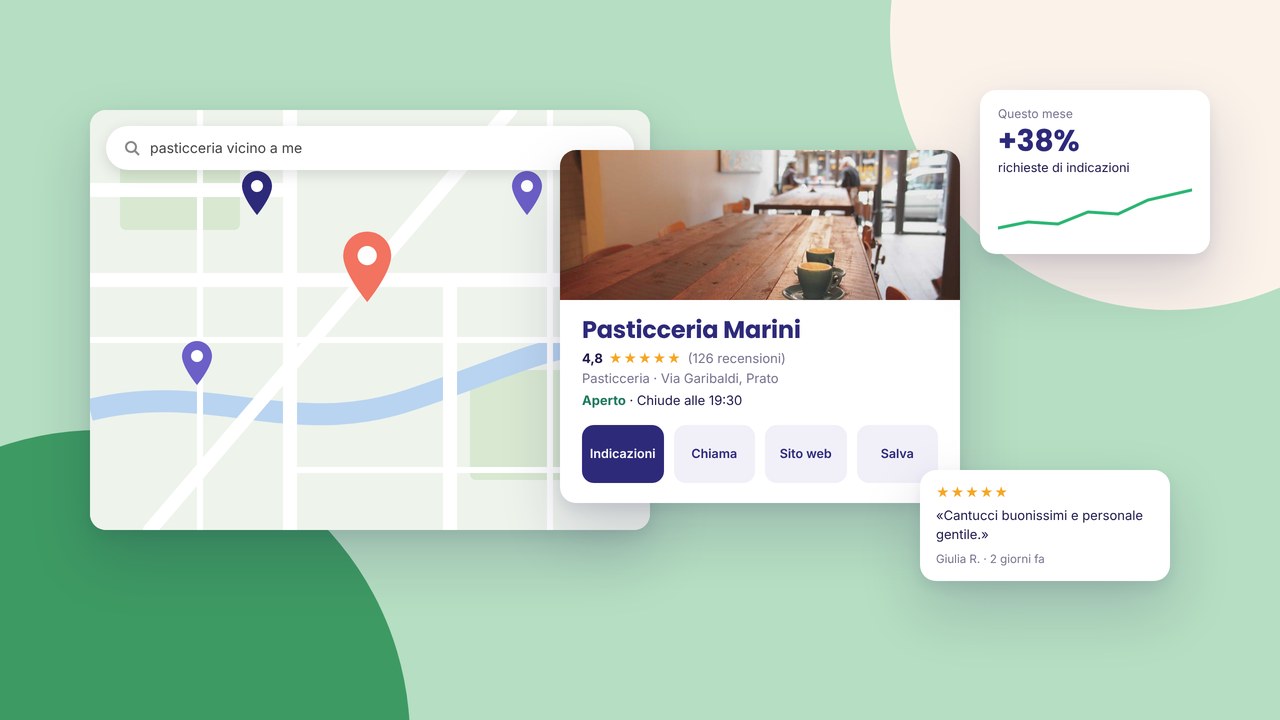
For local businesses, optimise the Google Business Profile listing, authentic reviews, a consistent NAP (name, address, phone) and geo-localised pages when it makes sense. Real images, updated hours and replies to reviews communicate trustworthiness beyond the website.
Multimedia content and evolved SERPs
Embedded videos, original images and structured data (FAQ, HowTo, Article) can improve visibility in enriched results. They are not guarantees, but they increase the chances of emerging when the content is really useful and technically correct.
Competitor analysis and the content gap
Before you write, analyse the first 10 results for the target keyword: average length, the angle covered, questions in People Also Ask. Identify what is missing (local examples, updated data, honest comparisons) and build content that fills that gap, not that duplicates it.
Content hubs and topical authority
Organise articles in clusters: a pillar page on a broad topic and satellite articles that link to the pillar and among themselves. This helps Google understand the depth of the site on a subject and the user find logical reading paths.
SEO for e-commerce and services
Product sheets with unique descriptions, Product schema, authentic reviews. For B2B services: case studies, FAQs on times and costs, a CTA towards a qualified contact. Avoid duplicate content between categories and filters.
Penalties to avoid
- keyword stuffing and generated texts without a review
- links purchased from low-quality networks
- doorway pages or thin content without value
- hiding text or links from users
A content strategy for 2025
An editorial calendar aligned with real searches (Search Console, Answer the Public). Update old articles with new dates and data instead of only publishing new pieces. Google rewards freshness on topics that evolve (law, tech, prices).